How to batch film YouTube videos in one day without burning out
Learn how to batch film YouTube videos in one day with a practical workflow that keeps energy high, footage organised, and your upload schedule consistent.
Published
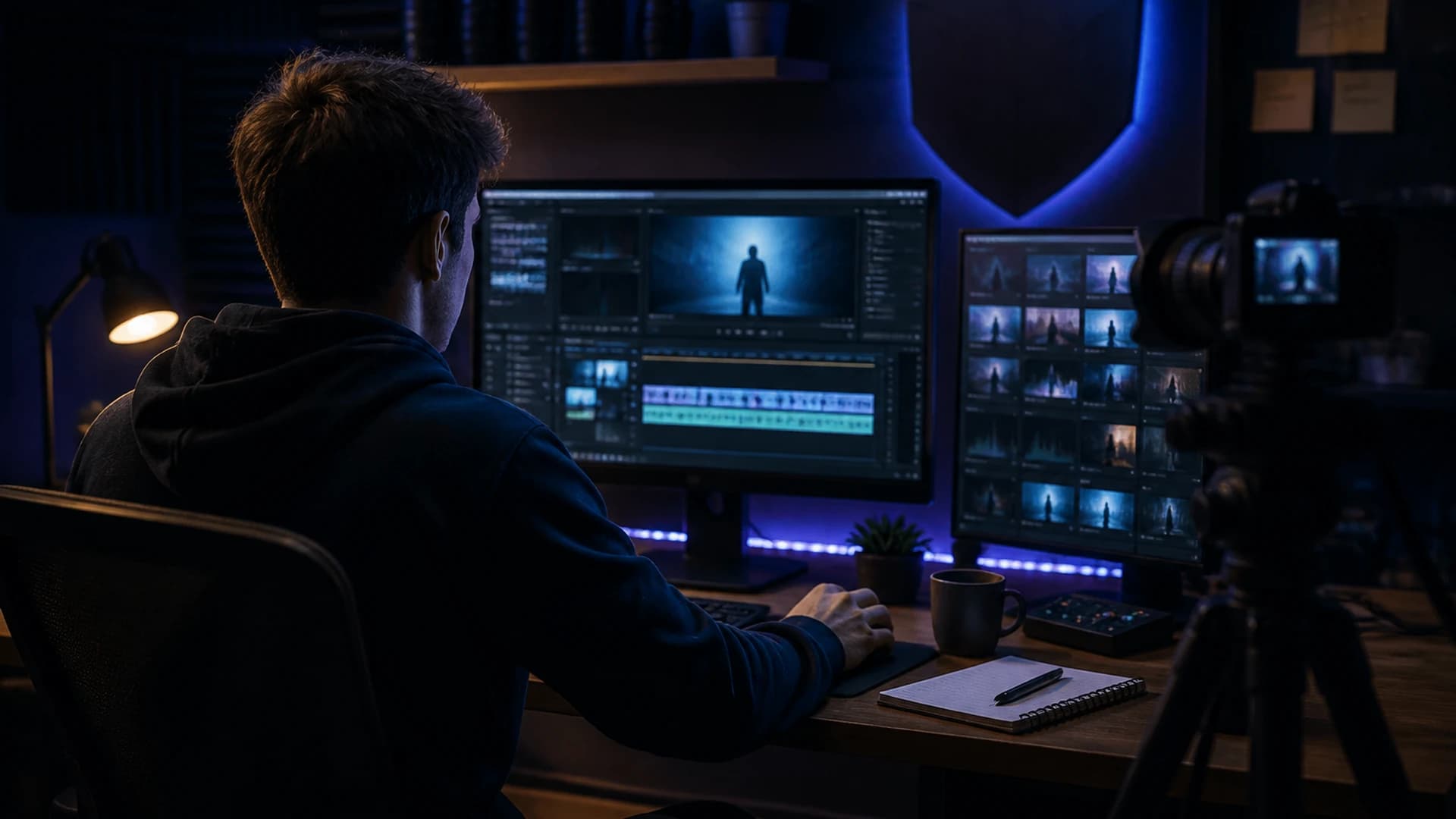
Batch filming YouTube videos in a single day is one of the most effective ways to stay consistent without chaining yourself to a camera every week. When you plan your batch filming session properly, you can record two to four videos before lunch and still have energy left to review footage in the afternoon — no burnout, no frantic Sunday night reshoots.
Plan your batch before you ever press record
The difference between a productive batch day and an exhausting one is almost always preparation. Write and finalise all scripts at least two days before filming — rushing a script on the morning of your session drains mental energy you need for performance. Group videos by topic cluster so your talking points stay in a similar headspace throughout the day, and lay out a simple running order: opener-heavy videos first while your energy is highest, and more conversational or listicle-style videos later when you need less intensity.
Prepare a one-page shot list for each video covering your main talking segments, any B-roll reminders, and any props or screen recordings you will need. The night before, charge all batteries, clear memory cards, set up your backdrop, and do a quick white-balance test. Arriving to a camera that is already framed and lit removes the single biggest momentum killer at the start of a batch day.
Structure your filming day to protect your energy
Treat your batch day like a broadcast schedule, not a creative free-for-all. A reliable structure is: 30 minutes of warm-up and final setup, then two focused filming blocks of 90 minutes each separated by a proper break of at least 45 minutes away from the camera. Drink water constantly, keep snacks on hand, and do not skip the mid-day break even when you feel in flow — energy debt compounds and the footage from hour four of non-stop recording rarely makes the edit. Between videos, jot a one-line note about anything you want to fix in post so you are not holding it in your head.
Reset your mental state between videos by stepping away from the frame for two or three minutes. Change the camera angle slightly or swap a prop if the videos are in the same series — this small visual reset also helps viewers and your editor distinguish footage in the timeline. If a take is going badly after three attempts, move on and revisit it at the start of your second block rather than grinding through frustration.
Label and organise footage immediately after filming
The batch session is not finished when you say your final sign-off — it finishes when your footage is labelled and backed up. As soon as filming ends, copy your cards to at least two locations (an external drive and cloud storage), then rename each folder with the video number, a short working title, and the shoot date, for example: 01_how-to-start-a-podcast_2026-08-19. Inside each folder, drop your script and shot list alongside the raw files so your editor or future self has full context without guessing.
Create a simple batch tracker — a spreadsheet works fine — with a row per video showing its status across stages: filmed, rough edit done, thumbnail made, scheduled. Updating this takes under a minute per video and prevents the common problem of losing track of which videos are actually ready to publish versus which ones still need graphics or a missing B-roll clip recorded on your phone.
Avoid the most common batch filming mistakes
The biggest trap is over-scheduling. Four polished videos per batch day is a realistic ceiling for most solo creators; pushing to six or seven results in declining delivery quality, flat energy on camera, and footage you end up not using. It is better to finish a smaller batch strongly and leave yourself a half-hour buffer to re-record a weak intro than to hit a target number with mediocre takes throughout. What to skip: do not try to do complex graphics, animations, or colour grading on batch day — those are editing-session tasks, not filming tasks.
Consistency of look matters more than perfection in any single shot. Keep your lighting, camera position, and clothing consistent within each series of videos so that viewers who binge your channel do not notice jarring changes between episodes filmed on different days. If you change your setup mid-batch for a different video style, photograph your original setup so you can restore it exactly for future sessions.
Turn your batch into a sustainable content calendar
A single well-executed batch day can fill four to six weeks of a weekly upload schedule, but only if you plan the distribution in advance. Before you film, decide which video publishes first and align that with any seasonal hooks, trending topics, or community conversations you want to join. Schedule your uploads inside YouTube Studio as soon as each video is edited — having a confirmed publish date makes it far easier to plan your next batch around what is already queued.
As your library of batch-filmed content grows, it also becomes more valuable and more worth protecting. If you are producing original, high-effort videos consistently, it is worth periodically checking whether copies of your content are appearing on other channels. Tools like GuardMyVideos can scan your uploads using AI-assisted analysis of titles, descriptions, tags, and transcripts to flag suspicious re-uploads — useful background protection for creators who batch produce and may not notice individual copycat activity week to week. The scan is read-only and the output is AI-assisted analysis, not legal advice.
Related: How to write YouTube scripts that sound natural on camera, How to create YouTube videos: from idea to upload.
Create a free account to try trial scans, or view pricing for ongoing monitoring.
Frequently asked questions
- How many YouTube videos can you realistically film in one day?
- Most solo creators can produce two to four well-prepared videos in a single day without significant quality drop-off. Beyond four, energy and on-camera performance tend to decline noticeably. If your videos are short-form or heavily scripted, you may manage five, but it is safer to plan for four and treat any extra as a bonus rather than a target.
- How do you avoid looking tired or flat in later videos during a batch session?
- Take a genuine break of at least 45 minutes mid-session, away from your filming space. Hydrate, eat something light, and do a short physical reset such as a walk or stretching. Recording your most demanding or high-energy videos first thing in the morning and saving more conversational videos for the afternoon also helps manage natural energy levels across the day.
- Should you wear the same outfit for all videos in a batch filming session?
- It depends on your channel style. Wearing the same outfit across a batch is efficient and avoids continuity errors if videos are part of a series. However, if you want each video to feel standalone or you upload across several weeks, consider bringing a second outfit for variety — a simple change of top is enough to make two videos feel filmed on different days.