AI checker like Copyleaks vs YouTube copy detection: which one do you need?
Published • Last updated
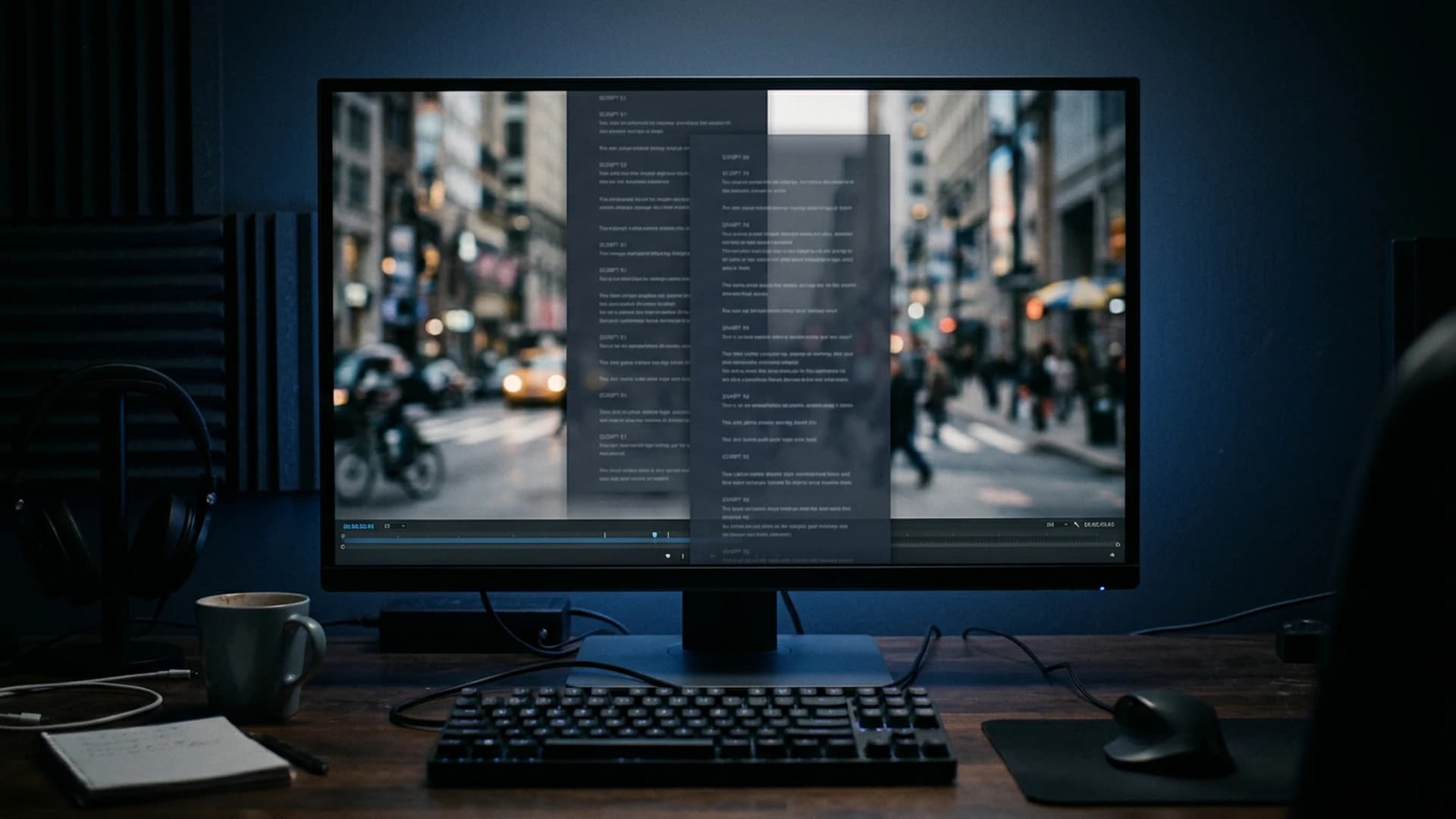
Short answer: An AI checker like Copyleaks scans text — it will not find a YouTube creator who reuploaded or re-voiced your video. For video theft, use YouTube-specific copy detection, not a text plagiarism tool.
An AI checker like Copyleaks is built to scan text for plagiarism and AI-generated writing. That is a real job, but it is not the same job as finding YouTube creators who copied your video, reuploaded your work, or re-voiced your script.
What Copyleaks-style AI checkers actually do
Tools in the Copyleaks category compare pasted text against the web and known AI-writing patterns. They are useful for editors, teachers, and publishers checking articles or essays. They do not crawl YouTube for similar uploads, compare narration patterns, or rank candidate copycat videos.
Why YouTube creators need a different kind of similarity detection
A reuploaded or re-edited YouTube video usually keeps the same script, structure, and audience hook — even if the title, thumbnail, or voiceover changes. Detecting that requires comparing video metadata, transcripts, narration style, and thumbnails across YouTube.
Full comparison table
See our dedicated comparison: Copyleaks vs YouTube video copy detection. Pillar guide: copyright checker for YouTube creators — text checker vs video checker side by side.
Run trial scans free — AI-assisted analysis, not legal advice.
Frequently asked questions
- Does Copyleaks find copied YouTube videos?
- No. Copyleaks-style AI checkers scan written text for plagiarism and AI writing. They do not crawl YouTube or rank suspected video reuploads.
- When should YouTube creators use Copyleaks?
- When you publish written articles or scripts as text and want to verify originality — not when someone reuploaded or re-voiced your YouTube video.
- What should YouTube creators use instead of an AI text checker?
- A YouTube-focused copy detection tool that compares title, description, tags, transcript, narration, and thumbnails across uploads.