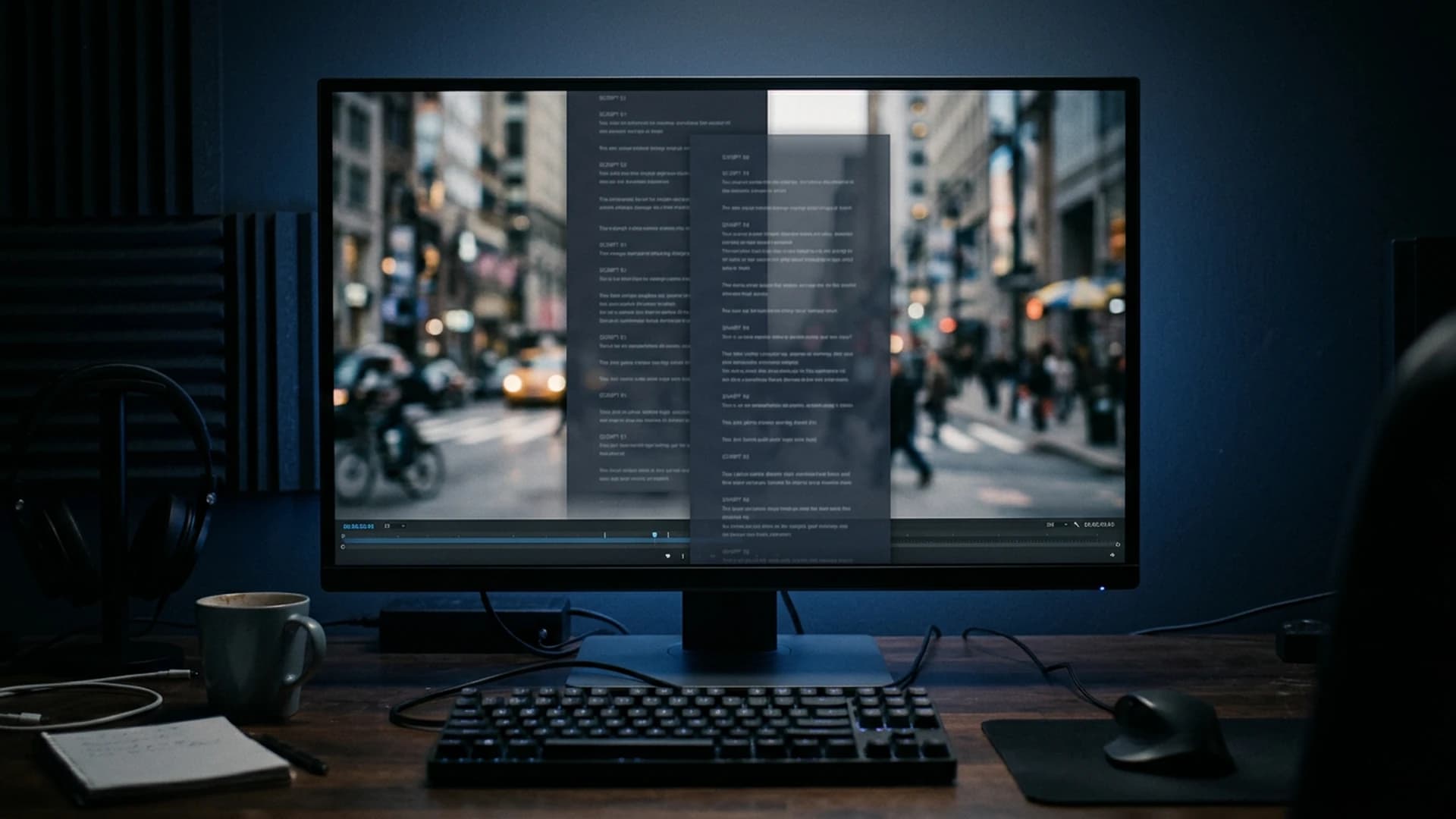
YouTube transcript plagiarism is easy to miss: viewers see thumbnails and B-roll, not the hours spent refining a script. Someone can re-voice or lightly edit your narration so the upload looks “different” while the spoken content still tracks yours line by line — classic video plagiarism with a fresh coat of paint.
Scripts are high-leverage intellectual work
For tutorials, explainers, and storytelling channels, the script carries structure, pacing, examples, and phrasing that make the content uniquely yours. When someone re-voices that script over new footage, audience value is still being extracted from your creative labour.
Why title-only search misses copied YouTube videos
A copycat can rename the upload, localise the headline, or bury the video inside a compilation. Title search alone will not connect those dots. Transcript and narration-pattern comparison is often the clearest signal that two uploads share the same intellectual spine — essential when you need to find a copied YouTube video that does not share your original title.
What creators can do about stolen scripts
Combine periodic manual YouTube search with tools that compare spoken text, descriptions, and tags — not just filenames. Document overlaps early: timestamps and side-by-side notes help if you later use platform reporting or other formal channels.
GuardMyVideos scores candidates using transcript content alongside titles, descriptions, tags, and speech-style signals so re-voiced or re-edited copies surface in a single review queue. Try trial scans free.