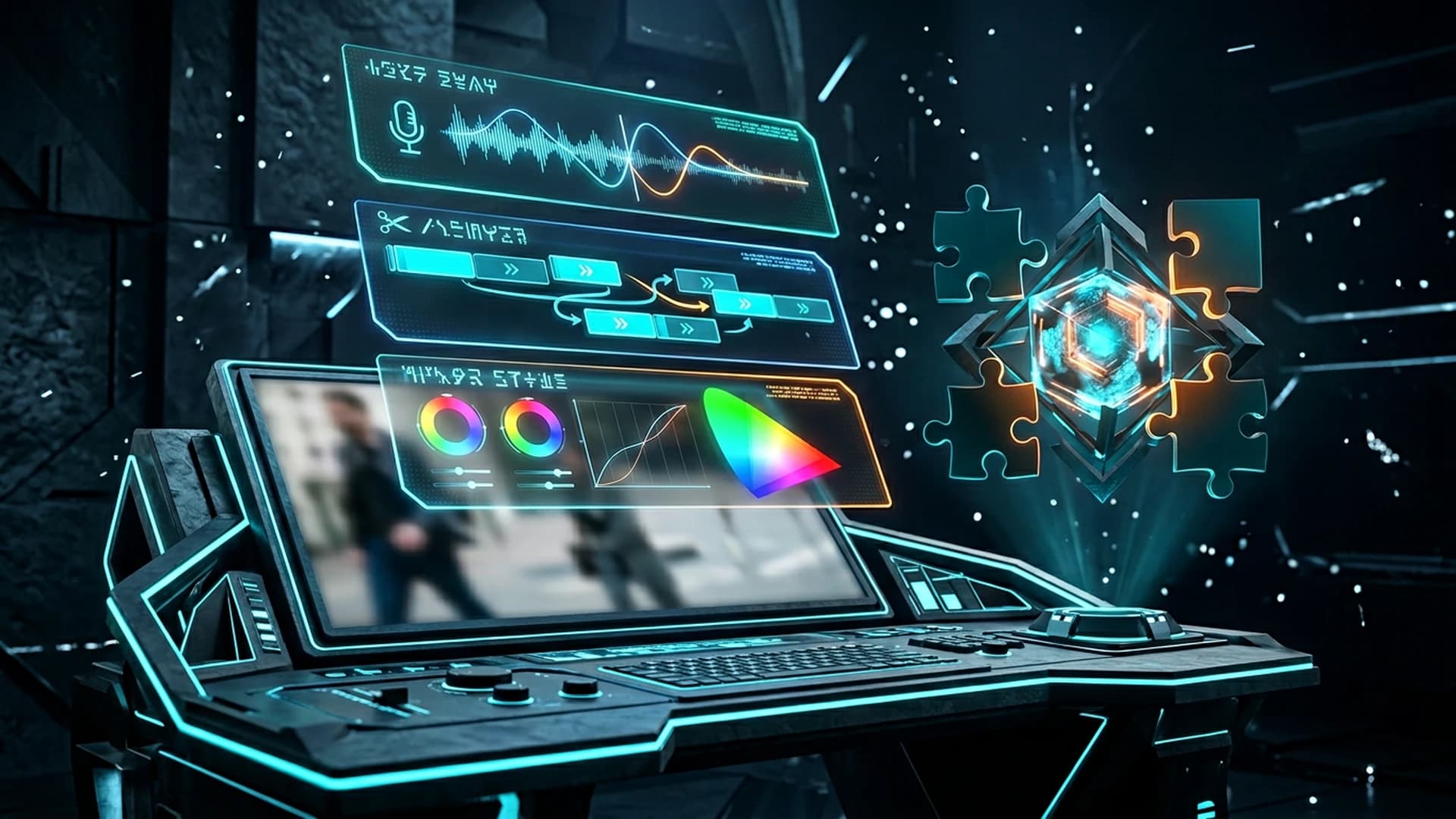
Re-voiced YouTube reuploads have become one of the craftiest methods copycat channels use to evade detection — and most basic copyright detection tools are not built to catch them. If you are a YouTube creator who has ever suspected someone rewrote your script, swapped in a different narrator, and republished your video as their own, you are not being paranoid. This is happening at scale, and the damage to your channel growth and ad revenue is very real.
Why Re-Voiced Reuploads Fly Under the Radar
A straightforward reupload — someone downloading your video and uploading it verbatim — is relatively easy for automated systems to flag. The audio fingerprint matches, the visual content is identical, and the metadata is often suspiciously similar. But a growing number of bad actors have learned to work around these surface-level checks. They rewrite your script just enough to avoid an exact text match, run it through a different synthetic or human voice, apply light colour grading or overlays to the footage, and republish what is essentially your original work dressed in new clothes.
The result is a video that shares your structure, your core arguments, your examples, and even your narrative rhythm — but looks and sounds different enough to slip past tools that only compare audio fingerprints or pixel-level similarity. For creators in educational, finance, health, or commentary niches, where the value lies primarily in the scripted content and delivery style rather than in raw footage, this kind of theft can be devastatingly effective and remarkably hard to prove without the right analysis.
How Multi-Signal AI Analysis Changes the Game
GuardMyVideos approaches this problem differently from single-signal copyright detection tools. Rather than relying on one indicator, it scans YouTube for candidate copies and then runs an AI-assisted comparison across six signals simultaneously: title, description, tags, transcript, narration or speech-style patterns, and thumbnail imagery when available. The narration signal is particularly important for catching re-voiced reuploads, because even when a copycat swaps the narrator and tweaks the wording, the underlying structural and stylistic fingerprint of the original content often remains detectable across the transcript and delivery pattern.
Creators sign in with Google to grant read-only access — no write access, no risk to your account — and receive ranked results with signal-level context so you can see exactly which signals triggered a match and why. This is AI-assisted analysis, not legal advice, but it gives you the documented evidence base you need before deciding whether to file a manual copyright takedown or escalate through other channels. Compared to other copyright detection tools that surface only obvious clones, this layered approach is far better suited to the sophisticated reupload tactics becoming common in 2026.
What Creators Should Do Right Now
If you publish regularly on YouTube and have built an audience around your scripted content, the question is no longer whether someone will attempt to clone your work — it is whether you will find out quickly enough to act. Waiting until a viewer tips you off in the comments, or until a reuploaded channel starts outranking your own video in search, means the damage is already done. Proactive, ongoing scanning is the only reliable way to stay ahead of re-edited and re-voiced copies before they gain traction.
New signups at GuardMyVideos receive trial scans so you can see the tool in action against your own channel with no commitment. Pro access is available for creators who need continuous monitoring rather than a one-off check. Visit guardmyvideos.com/pricing for current plan details, and take the first step towards knowing exactly who is copying your work — and how.
GuardMyVideos automates discovery and scoring for videos you choose. View pricing or start with trial scans on signup.